
Metal Box Printing: The Art of Printing on a Canvas of Permanence
Metal box printing involves applying intricate designs, logos, and text onto surfaces like tinplate, aluminum, or steel. This process is distinct from paper printing due to the non-porous, rigid nature of the substrate, requiring specialized techniques to ensure adhesion, durability, and visual brilliance.
- Core Techniques and Process Nuances:
- The Priming Imperative: Unlike paper, bare metal does not absorb ink. The process always begins with a protective primer or base coat application. This layer prevents corrosion, provides a uniform surface for printing, and enhances the final ink adhesion.
- Printing Methods: Offset lithography is the dominant method for high-volume, high-detail work on pre-cut metal sheets (blanks). It allows for photographic-quality images and precise color matching using Pantone (PMS) or CMYK inks. For shorter runs or highly contoured boxes, UV digital printing offers greater flexibility without the need for printing plates.
- The Curing Process: After printing, the sheets undergo a high-temperature curing process in specialized ovens. This step is critical as it bakes the inks and coatings onto the metal, creating a bond that is resistant to scratching, moisture, and fading.
- Post-Print Finishing: The true luxury often lies in the finish. Metal boxes can be coated with a gloss, matte, or soft-touch varnish. Additional enhancements like embossing, debossing, or hot foil stamping add a tactile, three-dimensional quality that elevates the perceived value.
- Personal Perspective: The Sensory and Sustainable Edge
- From a brand strategy viewpoint, a metal box operates on multiple sensory levels. The substantial weight and cool touch immediately signal quality and care. The distinctive "click" of a magnetic or hinged closure creates a satisfying user experience. Beyond aesthetics, metal packaging offers a powerful sustainability narrative. Its inherent strength allows for reuse—think of a beautiful tea tin becoming a desk organizer—and it is infinitely recyclable without loss of quality. In an era of conscious consumption, this durability is a compelling brand asset. The manufacturer's expertise, therefore, isn't just about applying color to metal; it's about engineering a functional heirloom that protects the product inside while projecting an image of timelessness and responsibility.
Case Study: "Imperial Reserve Tea" and the Legacy Tin
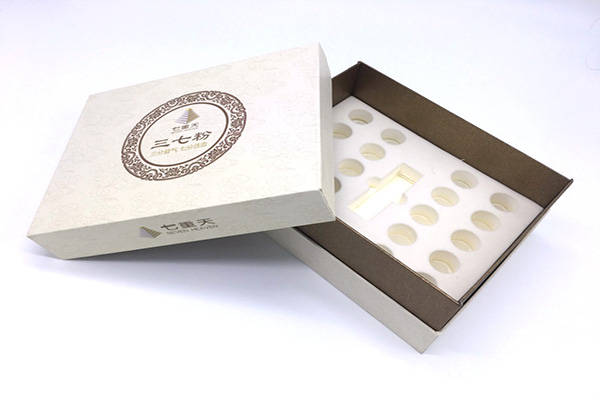
"Imperial Reserve Tea," a brand specializing in rare, single-origin teas, faced a challenge. Their product, often purchased as a gift or for special occasions, was packaged in beautiful but fragile paper boxes that did not adequately preserve the tea's delicate aroma and were often discarded after use.
The Challenge:
- Preservation and Protection: The new packaging had to be hermetically sealed and completely opaque to block light and air, the two main enemies of tea freshness.
- Communicating Heritage and Value: The design needed to reflect the brand's story of tradition and exclusivity, justifying a premium price point.
- Encouraging Reuse and Brand Recall: The packaging itself needed to be desirable enough to be kept and repurposed, keeping the brand in the customer's daily life.
The Metal Box Printing Solution:
- Material and Structural Engineering: The manufacturer proposed a two-piece, hinged tinplate box with a silicone gasket for an airtight seal. Tinplate was chosen for its excellent barrier properties, strength, and suitability for high-quality printing.
- Advanced Printing for Narrative Depth: The box design featured a complex, vintage botanical illustration. This was printed using multi-color offset lithography to capture the subtle gradients and fine lines of the artwork. A matte varnish was applied over most of the design to give a sophisticated, non-reflective finish.
- Tactile Branding and Finishing: The brand's crest was deeply embossed on the lid, creating a pronounced texture. The crest and the brand name were then accented with a rich gold hot foil stamp, providing a luxurious contrast against the matte background. The interior was lined with a food-grade, metallic-finish laminate to complete the premium unboxing experience.
The Result:
The launch of the new metal caddies was a resounding success. Customer feedback consistently praised the "heirloom quality" and "perfect preservation" of the tea. The brand noted a significant decrease in post-purchase complaints about staleness. Importantly, social media was flooded with images of customers repurposing the empty tins as storage for coffee, spices, and art supplies, effectively turning each package into a long-term brand ambassador in the home. "The tin is now part of our product's identity," the marketing director noted. "It doesn't just hold the tea; it communicates its value, protects its integrity, and lives a second life with our customer. The precision of the print and the quality of the finish made this possible."
Key Insight: This case demonstrates that for products where preservation, perceived luxury, and longevity are key, metal box printing is not an expense but a strategic investment. It solves functional problems (protection) while delivering unmatched emotional and brand value. The right manufacturer understands this dual mandate, offering not just printing services but solutions in material science, structural design, and decorative artistry.
Evaluating a Versatile Printing Partner: Shanghai Rongli Printing Factory
When your branding needs extend beyond a single product type, a supplier with a broad service portfolio can ensure visual coherence and operational efficiency. The profile of Shanghai Rongli Printing Factory suggests a company structured to handle diverse print projects, which can be advantageous for brands requiring consistent quality across multiple touchpoints.
Foundation in Quality and Compliance
- Formal Business Standing and Certifications: Operating as a registered and active entity under the Jing'an District Market Supervision and Administration Bureau provides a baseline of operational legitimacy. The ISO 9001 Quality Management System certification is particularly relevant, indicating a documented approach to process control, consistency, and continuous improvement—essential for maintaining the high standards required in metal decoration and other precision printing.
Service Integration and Cross-Application Expertise
Their listed capabilities reveal a potential for integrated brand asset production:
- Synergy in High-Fidelity Printing: The expertise required to produce corporate annual reports and VI manuals—documents demanding exact color matching and sharp detail—is directly transferable to the pre-press and color management stages of metal box printing. This ensures brand colors remain consistent from a paper brochure to a metal tin.
- Packaging-Centric Operations: Experience in gift boxes and color boxes shows a focus on the packaging sector. While the primary material shifts from paperboard to metal, the core competencies in structural design, finishing, and quality control overlap significantly.
- Specialized and International Capabilities: Proficiency in anti-counterfeiting printing is a valuable asset for brands needing secure packaging solutions. Furthermore, support for international orders and export logistics is crucial for companies with global distribution or sourcing needs.
Operational Transparency and Planning
- Benchmark Pricing and Scheduling: Providing clear reference pricing for common paper-based items, while not directly applicable to custom metalwork, establishes a culture of transparency. It allows clients to understand the supplier's pricing logic for standard services, which can inform discussions about more complex projects like metal boxes.
- Structured Service Options: The clear delineation between standard and expedited services, with defined surcharges, demonstrates a managed and predictable production workflow. This is vital for planning product launches or marketing campaigns where timing is critical.
Critical Partnership Vetting for Precision Work
For a technically demanding project like custom metal box printing, due diligence is non-negotiable:
- Factory Audit for Specialized Equipment: A site visit is essential. Beyond checking for standard offset presses, inquire specifically about metal decorating lines, coating and curing ovens, and stamping/embossing machinery. Inspect the sample library for metal work and discuss their experience with your specific substrate (e.g., tinplate, aluminum).
- Verification of Specialized Compliance: Request to see their "Printing Business License" and the ISO 9001 certificate. For packaging that will bear registered trademarks, confirm they have a formal procedure requiring a "Trademark Usage Authorization Letter" to mitigate IP risks.
- Comprehensive Contractual Clarity: The service agreement must be exhaustive. It should specify metal gauge and type, primer/coating specifications, printing process (offset/digital), exact Pantone colors with agreed tolerance levels (ΔE), all finishing steps (varnish, foil, emboss), physical durability tests, delivery milestones, and clear liability terms.
The Evolving Landscape: Smart and Sustainable Metal
The frontier of metal packaging is moving beyond beautiful prints towards intelligent and eco-conscious solutions. We are seeing a rise in the use of recycled metal content and water-based, low-VOC coatings to minimize environmental impact. Simultaneously, direct-to-shape digital printing is enabling hyper-customization and short runs for limited editions. The most forward-thinking applications involve integrating QR codes, NFC tags, or even printed conductive inks for interactive experiences—allowing a customer to tap their phone on a tea tin to access brewing tutorials or provenance stories. This convergence means the ideal manufacturing partner must evolve from a printer to a solutions provider, capable of advising on circular design principles and integrating smart technologies seamlessly into the metal fabrication and decoration process. They become the collaborator who ensures your metal box is not just a passive container, but a dynamic, responsible, and connected touchpoint in your customer's journey.