
Today’s poem from *Romance of the Three Kingdoms* appears in Chapter Four of the novel, and the original text reads:
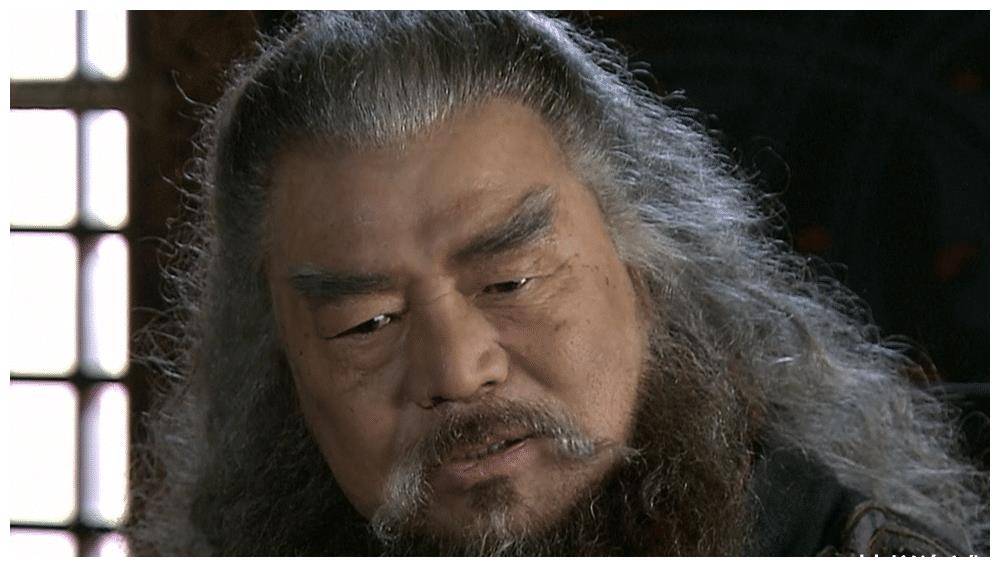
Tender green grass clings to the mist, two swallows swirl in flight. The Luo River stretches in blue, travelers on the path admire the sight. From afar, the deep green clouds recall my old palace halls. Who, in loyalty and righteousness, will ease the grief within my heart?
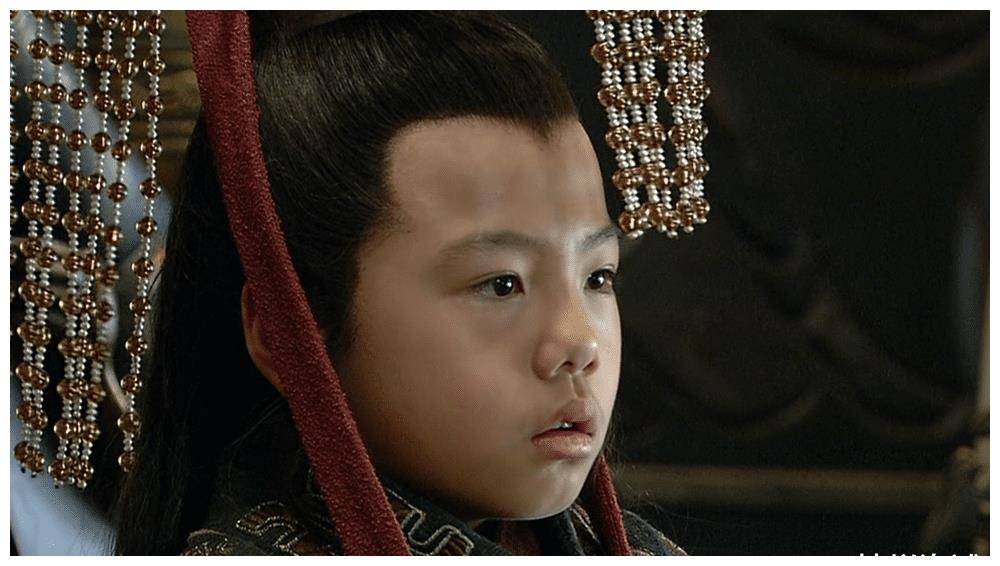
According to the novel’s plot, after Dong Zhuo entered Luoyang, he quickly seized control of the court. By bribing Lü Bu, he eliminated Ding Yuan, the Inspector of Jingzhou who firmly opposed deposing the young emperor, and forced the Central Army Colonel Yuan Shao to flee. Subsequently, Dong Zhuo openly announced a policy in the court to depose the young emperor and enthrone Liu Xie, the Prince of Chenliu, while confining the deposed emperor, Empress Dowager He, and Concubine Tang in the Yong’an Palace. In the midst of his grief, the young emperor saw two swallows flying into the courtyard, inspiring him to write this poem. Tragically, this very poem would later lead to his death.

The first four lines of the poem paint a serene and beautiful natural scene, reflecting the emperor’s nostalgia and attachment to the past. The last four lines convey his deep anger and indignation over the humiliation he suffered, expressing a longing for someone to rise in loyalty and righteousness to relieve the grievances in his heart.
It must be noted that the novel’s depiction of Dong Zhuo deposing the young emperor Liu Bian and enthroning the Prince of Chenliu Liu Xie is based on historical events, known as the depose-and-appoint incident. This act not only altered the lives of the two brothers, Liu Bian and Liu Xie, but also profoundly changed the fate of the Eastern Han dynasty.
Why did Dong Zhuo insist on this drastic action? Having already controlled the court, why risk defying the norms of heaven and earth by enthroning a new ruler? The *Book of the Later Han – Biography of Dong Zhuo* offers two possible reasons: it states, Zhuo foresaw the fire rising, swiftly advanced his troops, and before reaching the western city, heard the young emperor was in Beimang. Upon arrival, the emperor was terrified and wept. Zhuo spoke, but the emperor could not reply; conversing with the Prince of Chenliu, the ensuing chaos became apparent. Zhuo considered the prince virtuous and, having been raised by Empress Dowager Dong, a relative of his own clan, he conceived the intention to depose and enthrone.
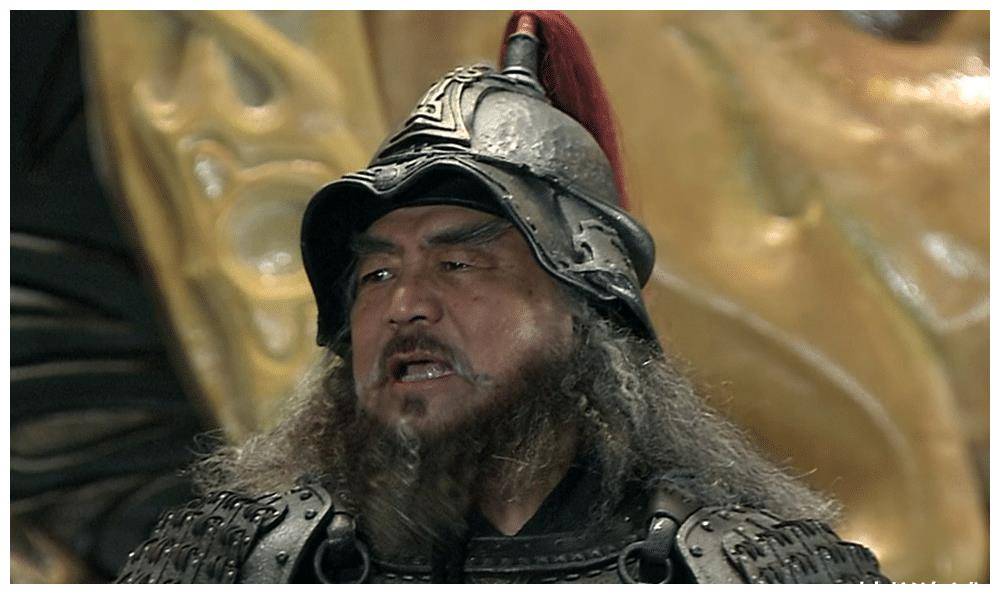
According to this account, Dong Zhuo observed that the nine-year-old Prince of Chenliu Liu Xie remained composed and steady in the face of danger, unlike the young emperor Liu Bian. Furthermore, Liu Xie had been raised by Empress Dowager Dong, who was Dong Zhuo’s clan relative. These circumstances supposedly prompted Dong Zhuo’s plan to depose and enthrone.
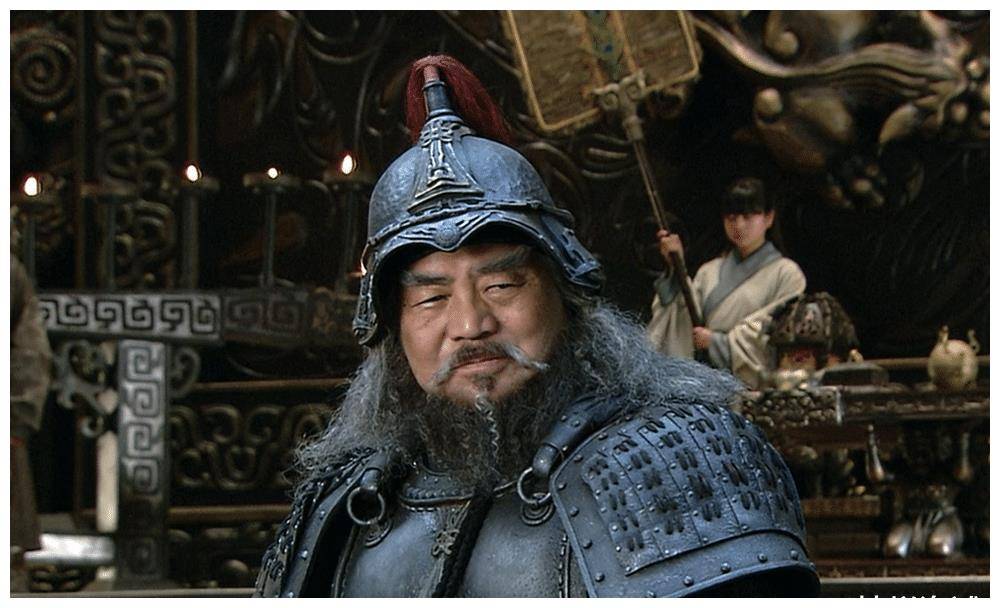
However, are these reasons truly the cause of Dong Zhuo’s actions? The answer is no. Firstly, the fourteen-year-old Liu Bian, fleeing the palace in panic, narrowly escaping the eunuchs’ grasp and then encountering Dong Zhuo’s fearsome Qiang and Hu cavalry, would understandably be frightened. Meanwhile, Liu Xie’s calmness simply reflects his young age and lack of full awareness of danger, rather than any mature composure that justifies enthronement.

Secondly, the claim that Dong Zhuo was motivated by kinship with Empress Dowager Dong is dubious. Empress Dowager Dong was from Hejian; her father was Liu Chang, Marquis of Jiedu. Dong Zhuo hailed from Longxi; his father was the county official of Lunshe. These two families were completely separate in origin and status, and Dong Zhuo, an experienced official, would have known they were not of the same clan. Thus, kinship could not have been the true reason.
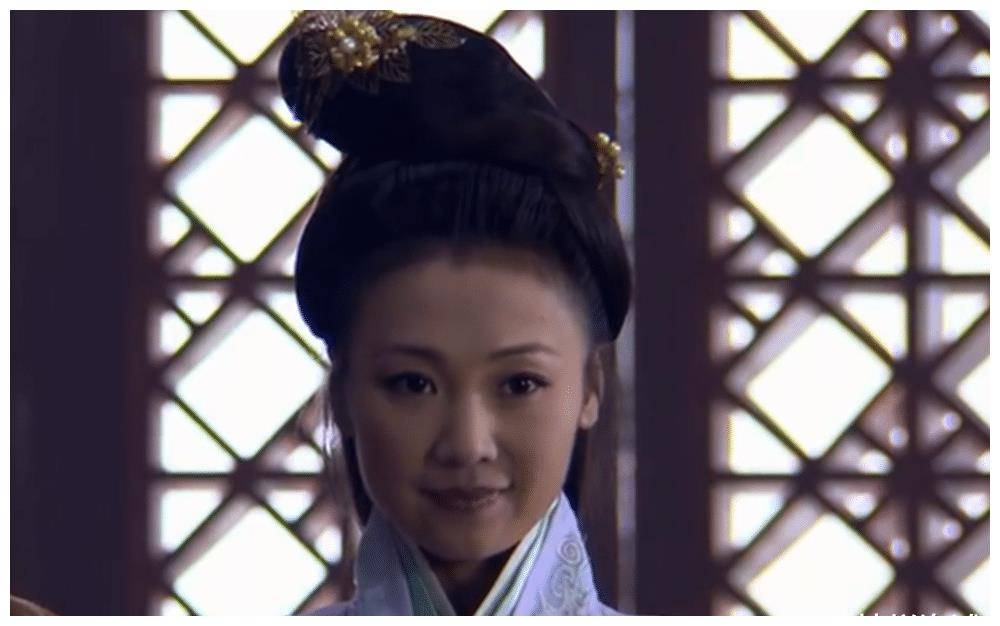
So, what then was the real motive behind Dong Zhuo’s deposition and enthronement? Two historical records shed light. The first, from the annotations of *Records of the Three Kingdoms – Biography of Dong Zhuo*, quoting *Heroic Records*, recounts Dong Zhuo’s first meeting with Liu Bian and Liu Xie at Beimang slope: (Dong Zhuo) approached the emperor (Liu Bian) and said, ‘Your Majesty allowed the eunuchs and minor palace attendants to commit chaos, thus bringing disaster upon the realm; is this not a grave failure?’ The second record, also from annotations in *Records of the Three Kingdoms – Biography of Dong Zhuo*, quoting *Annals of Emperor Xian*, appears in the policy document Dong Zhuo wrote to justify the deposition: The Empress Dowager (He) taught no maternal virtues and presided over the court in disorder.
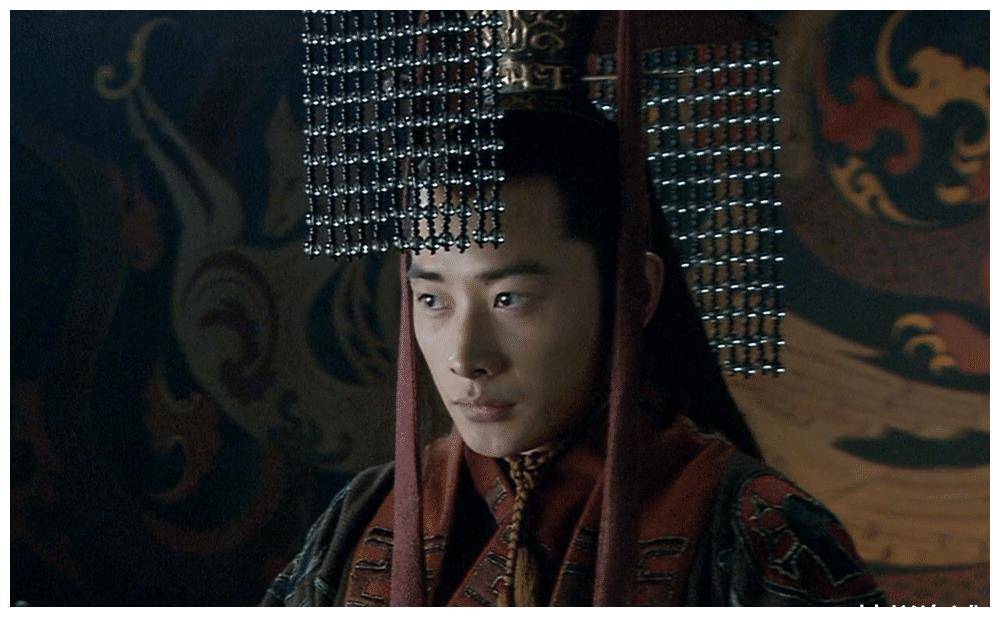
These records reveal that Dong Zhuo blamed Liu Bian for allowing eunuchs and minor palace attendants to disrupt court affairs, leading to chaos in Luoyang, with Empress Dowager He as the ultimate source of the disorder. In Dong Zhuo’s eyes, the disturbances at the end of the Han dynasty were caused by her interference. If Liu Bian were not deposed, Empress Dowager He could rise again, and the recently suppressed factions of imperial relatives and eunuchs might regain power, threatening Dong Zhuo’s control.
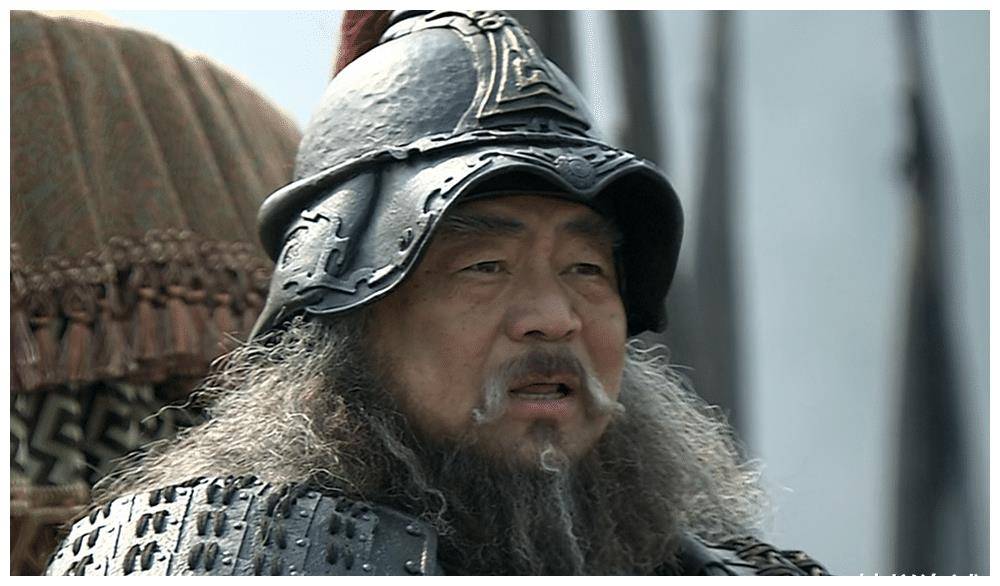
By enthroning Liu Xie, Dong Zhuo faced no such threat. Liu Xie’s mother, Lady Wang, had died at the hands of Empress Dowager He, and he had been raised by Empress Dowager Dong, who also eventually perished by He’s hand. Consequently, once Liu Xie ascended, he could not align with Empress Dowager He, which greatly facilitated Dong Zhuo’s domination of the court. Thus, it can be concluded that Dong Zhuo’s primary target in the deposition was Empress Dowager He. Deposing her eliminated the possibility of her resurgence. The young emperor Liu Bian was not Dong Zhuo’s main concern. This is evident in their fates: according to the *Book of the Later Han*, Liu Bian was deposed on September 1, 189 CE, Empress Dowager He was poisoned on September 3, showing Dong Zhuo’s urgency to eliminate her, while Liu Bian was killed on February 3 of the following year, after the coalition forces approached Luoyang and he had lost all political value. References: *Records of the Three Kingdoms*, *Book of the Later Han*, *Romance of the Three Kingdoms*.