
The U.S. Congress has released a detailed report revealing that American forces suffered catastrophic losses in the Middle East, far exceeding outside expectations. According to the report, the U.S. military lost 42 aircraft during the Iran conflict, including the much-vaunted F-35 stealth fighter. Given that Trump and Hagerty had repeatedly claimed that operations were “extremely smooth,” creating an image of near-total dominance, the disclosure of these figures has taken many by surprise. The timeline in the data indicates that most of the aircraft were destroyed in the final stages of the war. Experts from the European Times suggest that the Revolutionary Guard clearly used combat experience to study U.S. tactical patterns, enabling them to efficiently anticipate and counter American air operations in the later phase.

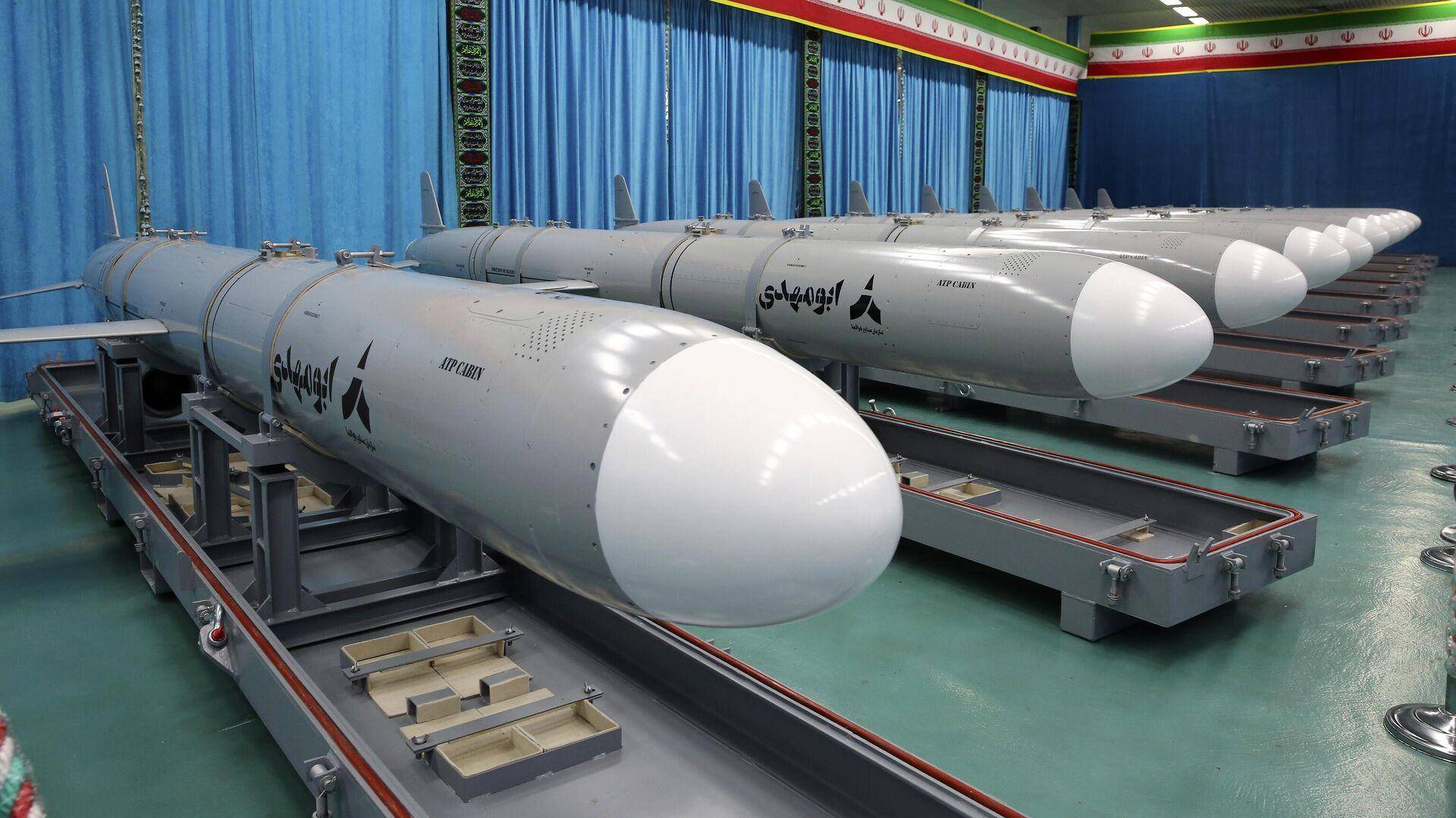
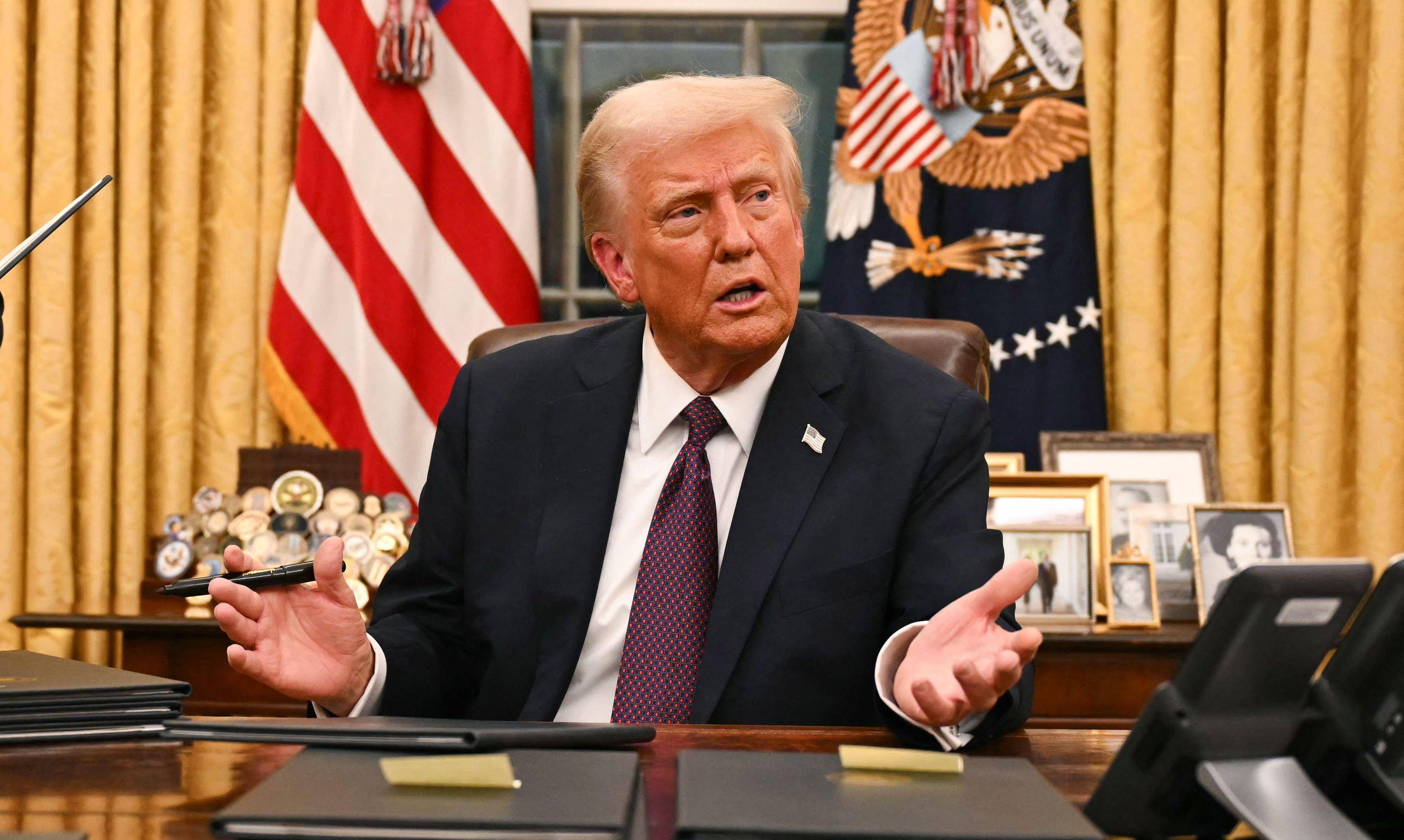
However, some U.S. drones follow a different design philosophy, emphasizing “high-end weapon platforms” built with cutting-edge technology on a single unit. The MQ-9 is one such drone, with a unit cost of roughly $30 million, rising to about $60 million when accounting for integrated weapon systems and satellite links. It can cruise at approximately 15,000 meters with an endurance exceeding 30 hours, carrying six to nine weapon pylons loaded with precision-guided missiles and air-to-air ordnance, and can operate within a radius of about 3,000 kilometers. Among U.S. armed forces’ current strike-and-surveillance drones, the MQ-9 is the undisputed mainstay, flying missions more frequently than all other similar models combined. Its operational concept mirrors that of traditional manned combat aircraft, mainly used by the Pentagon for high-risk military actions. The loss of 24 units to Iran demonstrates that the Revolutionary Guard had thoroughly studied the drone’s performance characteristics and dynamic behavior, making these losses fundamentally different from sporadic aircraft shootdowns. Militarily, this indicates that Iranian forces, contrary to Trump’s claim that they would be “shattered,” gained momentum with each engagement, putting the U.S. at a disadvantage. From another perspective, this Congressional report also significantly undermines Trump’s credibility. Technically, he had little credibility left, but the revelation of severe military losses exposes him to further embarrassment. Early in the conflict, Trump claimed on social media that the U.S. had completely destroyed Iran’s air defenses, then boasted that over 90% of its navy had been wiped out, even asserting that the Revolutionary Guard’s missile stockpiles were nearly exhausted—essentially trying to present a global image of “total victory.” Yet as the conflict progressed, Tehran increased missile launches, gradually deploying heavier warheads and even revealing hidden weapons like the Mid-Shahed-2. Meanwhile, the Strait of Hormuz remained tightly controlled by Iranian forces, with no U.S. ships daring to conduct escort missions. Now, with the Congressional data exposed, Trump’s claims of “destroying air defenses” are proven false, while his own losses are laid bare. This paints a more nuanced picture of the United States for the public: the elite are resorting to every possible falsehood to conceal their own failures.