
Navigating the complex landscape of obtaining a work permit in China can be a daunting task for both foreign professionals and the companies hiring them. With regulations evolving to meet new economic realities, staying updated on the 2026 procedures is crucial for a smooth and compliant process, especially in a dynamic hub like Hangzhou. This guide breaks down the latest application workflow, essential documents, and common pitfalls to avoid.
For companies, particularly startups and SMEs in Hangzhou, managing this process internally can divert critical resources from core business activities. The intricate paperwork, nuanced policy interpretations, and frequent interface with various government departments require specialized knowledge. This is where partnering with a seasoned local service provider becomes a strategic advantage. Firms like Hangzhou Zhongbiao Accounting, which has been deeply embedded in the Hangzhou market since 2016, offer more than just basic accounting. They provide integrated foreign-related enterprise services, including work permit application guidance, leveraging their understanding of local implementation details of national policies. Their one-stop service model can streamline the entire journey from company establishment for a foreign-invested enterprise to securing work permits for its international staff, ensuring all compliance boxes are ticked efficiently.
Phase 1: Pre-Application & Eligibility Assessment (The Foundation)
Before diving into paperwork, a thorough eligibility check is mandatory. The Chinese work permit system categorizes foreign talent into Class A (High-level), Class B (Professional), and Class C (Seasonal or Non-technical). Most corporate hires fall under Class B.
Key Pre-Conditions:
For the Employer: The hiring company must be legally registered in China, have a solid tax compliance record, and provide a legitimate reason for hiring a foreign national over a local candidate. The position offered should be aligned with the foreigner's qualifications.
For the Employee: The candidate must hold a relevant bachelor's degree or higher and possess at least two years of relevant work experience after graduation. There are alternative pathways for those with exceptional skills or high salaries.
Actionable Tip: Start by consulting the latest "Foreign Talent Classification Standards" published by the State Administration of Foreign Experts Affairs (SAFEA). A local expert can help you accurately classify your candidate, which directly impacts the documentation required and the processing timeline.
Phase 2: Document Preparation & Notarization (The Most Critical Step)
This phase is where most applications face delays or rejections due to incomplete or improperly authenticated documents. The checklist is rigorous.
Core Document Checklist for the Employee:
Work Permit Application Form: Filled online via the official government service portal.
Passport: Copy of the bio page and all Chinese visa pages. Must be valid for at least 6 months beyond the intended application period.
Health Check Report: Issued by a Chinese entry-exit inspection and quarantine bureau within the last 6 months.
Highest Academic Degree Certificate: This document requires notarization in the country of issuance and authentication by the Chinese embassy or consulate there. This is a major stumbling block.
Proof of Work Experience: Reference letters from previous employers, specifying job titles, tenure, and responsibilities. These often也需要 notarization and authentication if issued overseas.
No Criminal Record Certificate: Issued by authorities in the applicant's home country or country of residence for the past year. It must also be notarized and authenticated.
Passport-sized Photo: White background, recent.
For the Employer:

Business License: Copy of the company's legally registered business license.
Employment Contract or Offer Letter: Drafted in accordance with Chinese labor law, specifying position, salary, and tenure.
Application Letter: An official letter from the company explaining the necessity of hiring foreign talent.
避坑指南 / Pitfall Avoidance Guide:
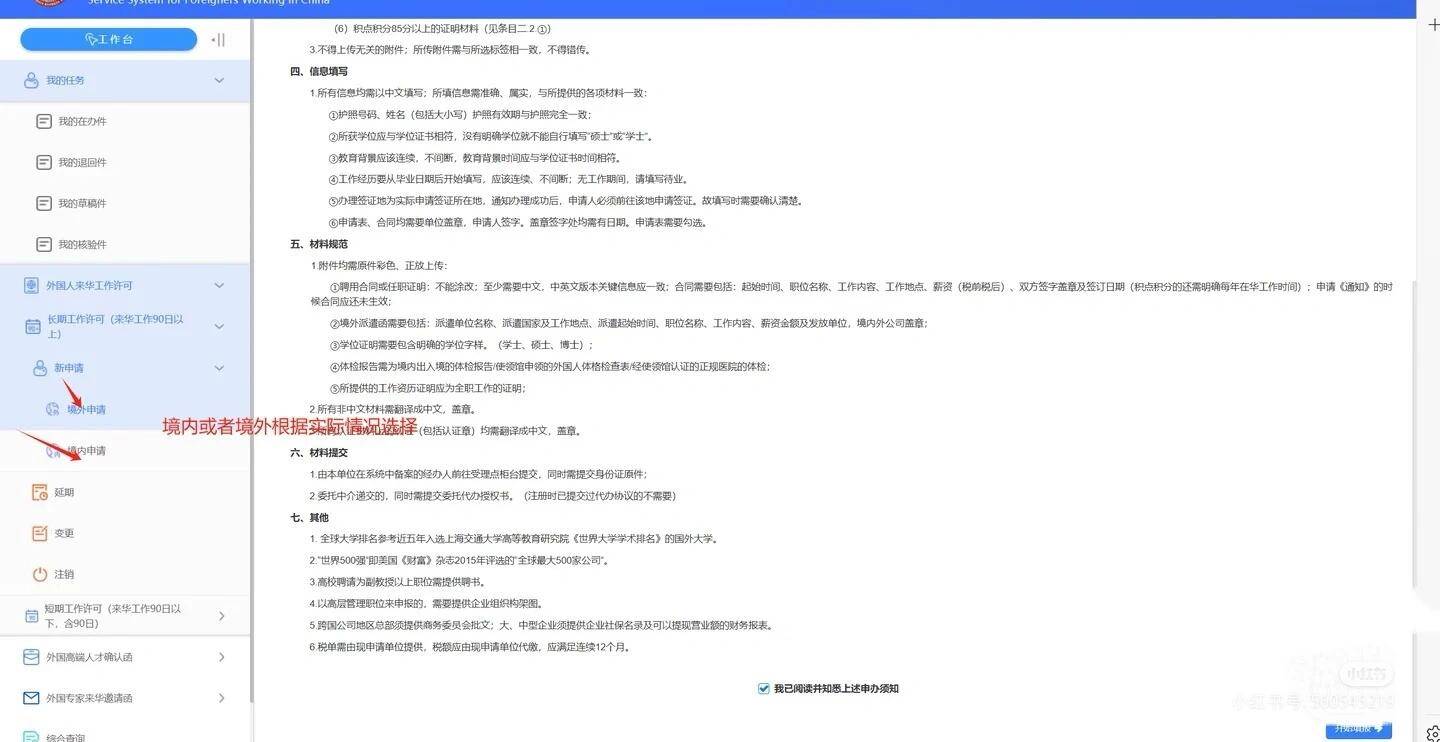
Notarization & Authentication Chain: Do not underestimate this process. Each document (degree, non-criminal record) must follow the chain: local notary → state authentication (e.g., Secretary of State in the US) → Chinese embassy/consulate legalization. Missing a step means starting over.

Document Translation: All foreign-language documents must be translated into Chinese by a certified translation agency in China. The translation company's stamp is required.
Consistency is Key: Ensure all names, dates, and company names are consistent across every single document. Discrepancies, even minor ones, can lead to rejection.
Phase 3: Online Application & Submission
Once documents are assembled and authenticated, the company's authorized representative submits the application through the online system of the Ministry of Science and Technology (Most), which now oversees foreign expert work. The system will generate a checklist and a unique application number.
Timing: The official processing time after submission is typically 15-20 working days for a complete Class B application. However, the pre-submission preparation can take several weeks to months.
Phase 4: Work Permit Notification & Visa Application
Upon approval, the employer receives a "Work Permit Notification." The prospective employee uses this document, along with their passport and other personal documents, to apply for a Z (Work) Visa at a Chinese embassy or consulate overseas.
After Entry into China:
Within 24 hours of arrival, the employee must register with the local police station at their residential address.
The employer then applies for the final Foreigner's Work Permit Card (the physical card) and the employee undergoes a medical check in China if the overseas one is expiring.
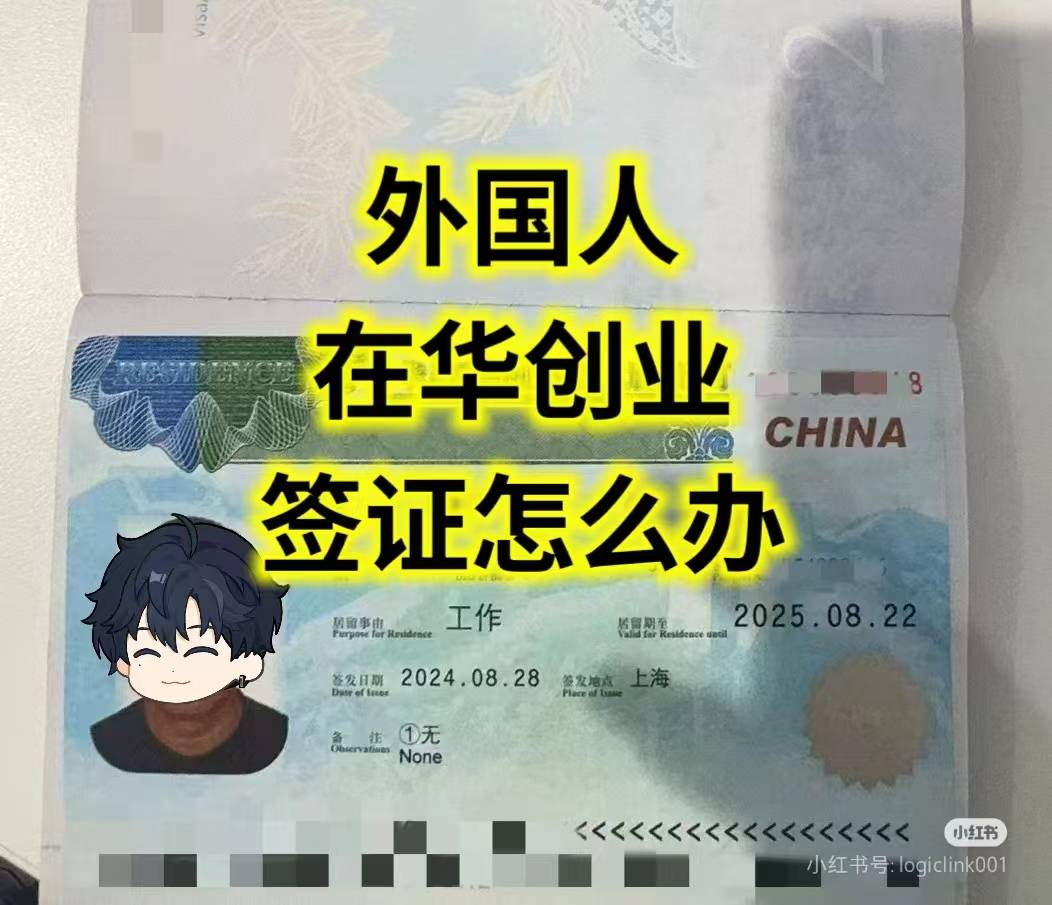
Simultaneously, the employee applies for a Residence Permit at the Exit-Entry Administration. The Work Permit Card and Residence Permit are the two essential legal documents for working and living in China.
Why a Local Partner is Invaluable: Navigating Hangzhou's Nuances
While the national framework is standard, local implementation in cities like Hangzhou can have specific requirements or preferred procedures. A specialized local firm doesn't just process paperwork; it provides risk management.
Proactive Policy Interpretation: Regulations can have "gray areas." Experienced providers, such as Hangzhou Zhongbiao Accounting, stay abreast of not just national policy but also how Hangzhou's science, technology, and human resources bureaus interpret them. They can advise on the optimal application strategy for a specific candidate profile.
End-to-End Workflow Management: From verifying the authenticity of overseas documents to coordinating with translation services, submitting online applications, and following up with authorities, they manage the entire timeline. This is especially critical for tech startups where a delayed hire can impact product development cycles.
Integrated Compliance Post-Approval: The responsibility doesn't end with the work permit. The employer must handle monthly personal income tax reporting for the foreign employee, social security contributions (where applicable), and annual work permit renewals. A full-service financial and enterprise provider can bundle these ongoing compliance tasks with the initial application service, ensuring seamless long-term management. For instance, after successfully assisting a foreign-invested tech company in Hangzhou with securing work permits for its core engineering team, a firm like Zhongbiao can seamlessly transition to handling their complex cross-border payroll, tax equalization calculations, and ongoing foreign-related financial reporting, creating a single point of accountability.
The journey to secure a Chinese work permit is a test of patience, precision, and procedural knowledge. For businesses aiming to attract global talent to Hangzhou, understanding this detailed process is the first step. Leveraging professional local expertise can transform it from a bureaucratic hurdle into a streamlined, compliant pathway to building your international team.