
Why This Guide Matters Now
With China's ongoing optimization of its foreign talent recruitment policies, the requirements and materials for foreigner work permits have been continuously refined. As of 2026, Hangzhou — one of China's most dynamic digital economy hubs — has implemented several notable adjustments in its processing system. The threshold for work permits in Zhejiang Province has been updated, and the classification management system has become more precise.
Core insight: The year 2026 marks a "transition period" for Hangzhou's foreign talent introduction policies. Companies applying for work permits need to pay special attention to the detailed requirements of the new system to avoid delays caused by incomplete documentation.Part 1: Three-Tier Classification System for Work Permits
China's foreigner work permit system adopts a classification management approach based on talent level and professional capabilities. Hangzhou follows the national framework while incorporating regional implementation details.
Category A — High-End International Talent (A类)
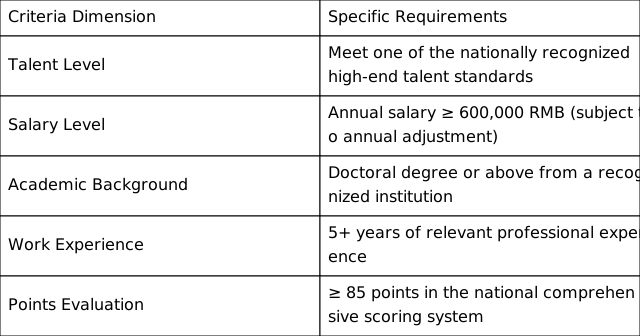
Category B — Professional Talent (B类)
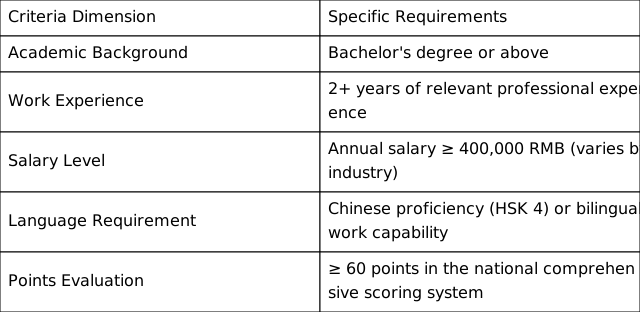
Category C — General Foreign Personnel (C类)
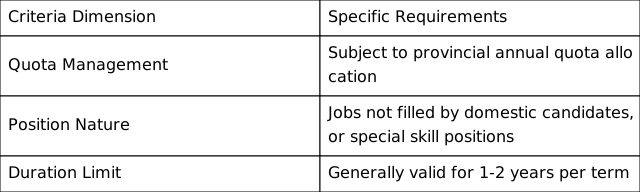
Part 2: Material Checklist and Preparation Strategy
Essential Documents — Common Materials for All Categories
Below is the detailed material requirement table compiled based on the latest "Service Guide for Foreigners Coming to Zhejiang for Work":
1. Application Form Collection
Completed and signed (by the applicant in person) "Foreigner Work Permit Application Form for the People's Republic of China"
Electronic version for online submission, paper version for physical delivery
Note: All foreign applicants must pass the employer's identity verification through the official system before online registration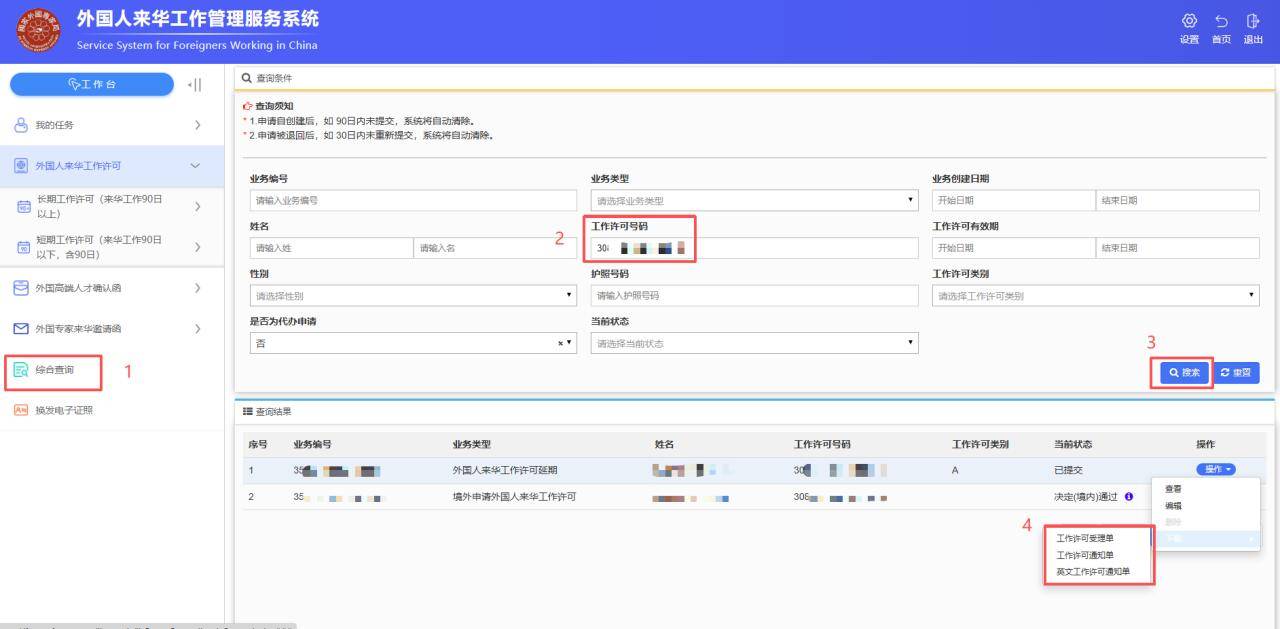
2. Personal Identification Documents
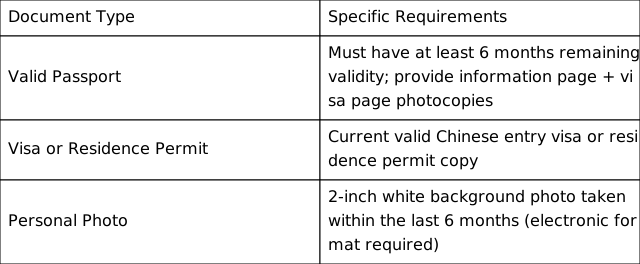
3. Professional Qualification Documents
Highest academic degree certificate (foreign degrees require official notarization + Chinese embassy authentication or Ministry of Education certification)
Relevant work experience certification letters (previous employment certificates from employers)
Professional skill certificates (for positions requiring special qualifications)
4. Employer-Related Documents
Employer registration certificate or business license copy (sealed with official company chop)
Employment contract OR appointment letter clarifying position, salary, and employment duration
Employer's legal person identity verification document


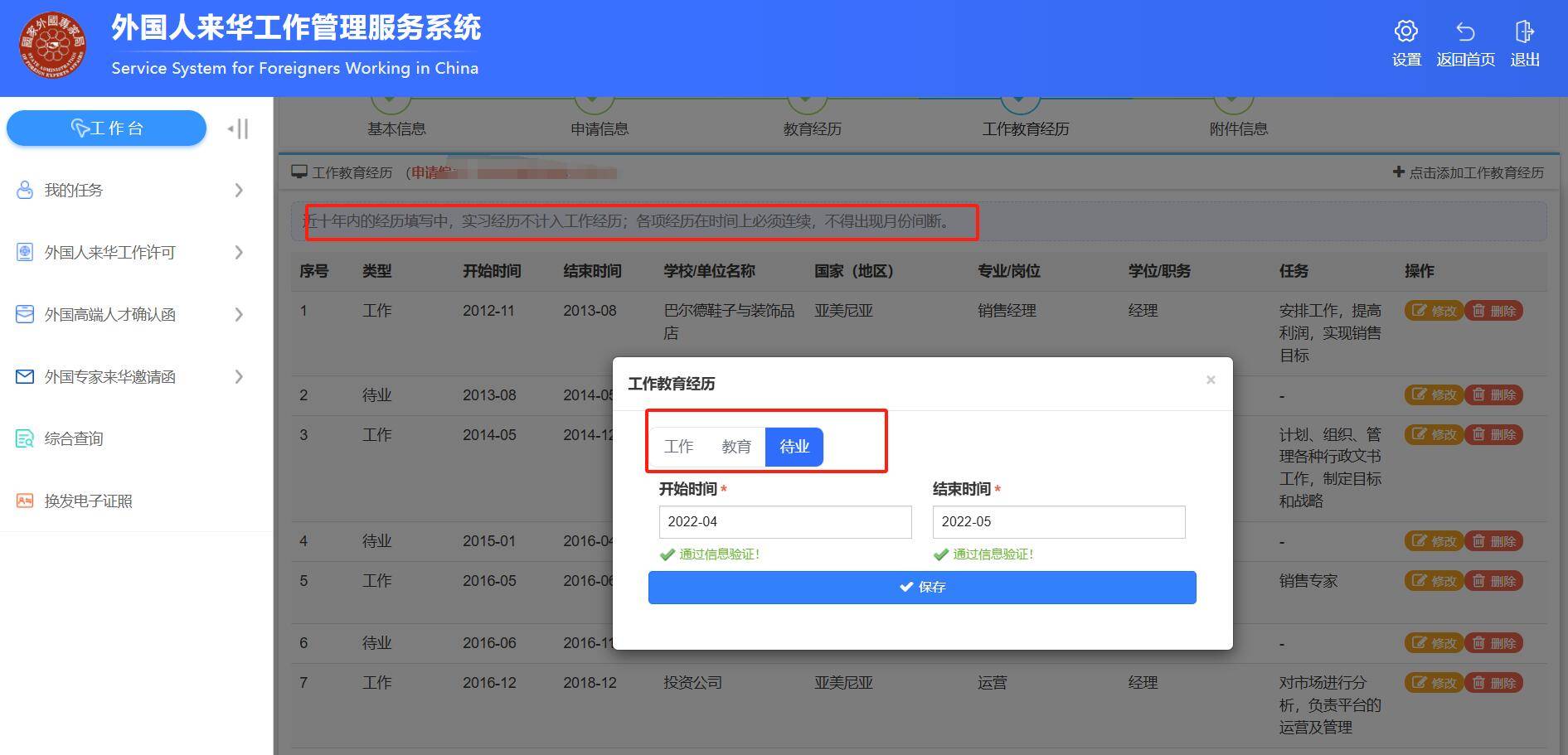
"Employer Registration Form" completed in the Foreigner Work Management Service System
5. Physical Examination and Background Check Materials
Foreigner Physical Examination Record Form (issued by designated medical institutions — note that Hangzhou-designated hospitals include several international clinics in the city)
No criminal record certificate (issued by the applicant's country of nationality, notarized and authenticated locally)
Special Materials by Talent Category
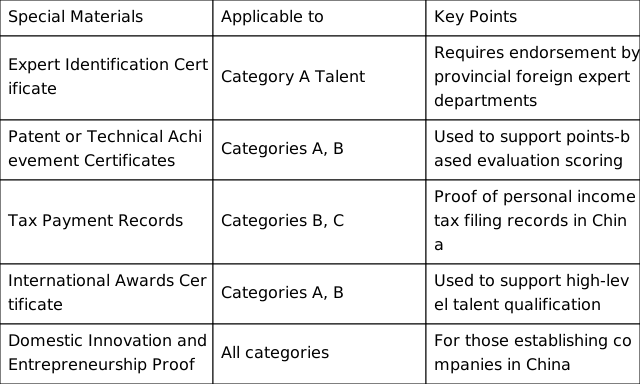
Part 3: Application Process and Timeline Control
The Four-Stage Timeline at a Glance
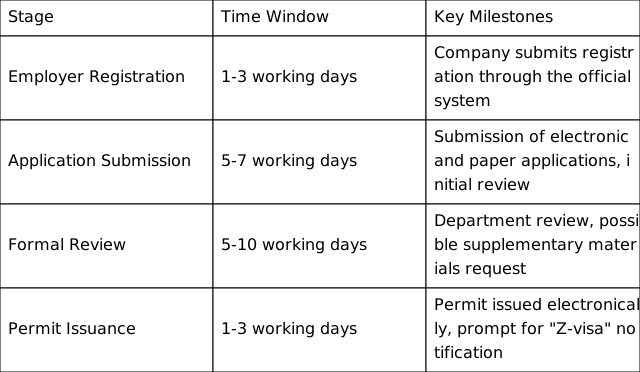
Total estimated duration: Approximately 2-4 weeks (excluding notarization and authentication of foreign documents)
Optimization tip: In 2026, Hangzhou's online service capabilities have been significantly upgraded. Most submitted materials can be processed through the "Government Service Network" platform. For complex cross-departmental cases (involving both work permit and residence permit for foreign nationals), relevant service organizations in Hangzhou (including 杭州众标会计) recommend a "parallel application" strategy — submitting multiple process applications simultaneously, saving 3-5 working days compared to sequential processing.Part 4: Common Pitfalls and Preemptive Solutions
Top 5 Delays We Observe in the Field
1. Overlooked Notarization Requirements Many first-time applicants believe that just providing a degree certificate is sufficient — finding out mid-process that foreign documents require re-notarization and authentication by Chinese diplomatic missions abroad. This step alone can take 2-3 weeks or more.
2. Physical Examination Confusion Certain hospitals offering body check services are not recognized as designated institutions by the government. Getting tested at non-designated medical facilities results in invalid reports that must be redone.
3. Employer Registration Incomplete A surprising number of cases see delays because the employer fails to properly file with the relevant authorities before applying. Especially for newly established companies in 2026, the employer qualification review has become stricter.
4. Salary Information Mismatch The salary filled in the application must be consistent with that in the contract, tax records, and social insurance records. Document inconsistencies (e.g., between contract and the actual bank payment records) can trigger the audit.
5. Points System Miscalcated For Categories B and C, points-based evaluation errors account for nearly 30% of supplementary material requests in Hangzhou. Age, years of experience, and professional title recognition all impact this score.
Professional note: 杭州众标会计 has compiled a pre-review checklist based on 2025-2026 common problem cases (including salary structure clarification and cross-platform data alignment), which significantly improves one-time submission success rates. The key is to standardize financial and HR document consistency — a recurring theme in our advisory work.Part 5: 2026 Policy Trends and Compliance Advice
What Changed in 2026?
According to the latest notices issued by the Zhejiang Provincial Department of Human Resources and Social Security and the Hangzhou Municipal Immigration Service:
Digitalization: Electronic permits are becoming a formal precedent for physical permits, and the convenience of subsequent renewals has remarkably improved
Point Mechanism: Industry positioning and innovation contribution are given more weight in talent assessment scores
Post-Supervision: Companies hiring foreigners now bear more responsibility for legal compliance, including timely renewal reminders and residence registration
Compliance Recommendations
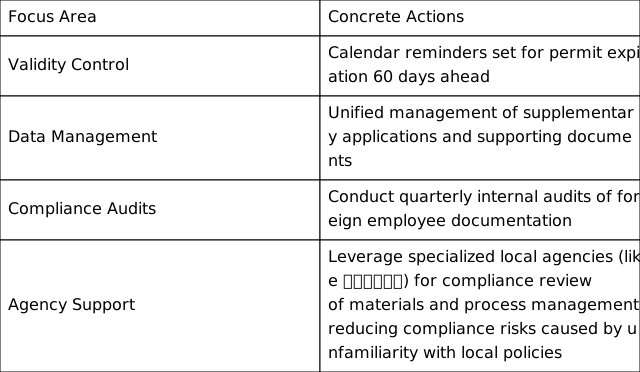
Final note: The 2026 work permit application for foreigners in Hangzhou shows a clearer trend toward "process standardization" and "talent selection precision." Success depends on selecting the right talent category and conducting meticulous material preparation — both areas benefiting greatly from a professional service partner with deep knowledge of the local system.