
In the evolution of tablet products, large-screen designs and productivity enhancements have become dominant trends in recent years. Small tablets—especially flagship-configured models—are relatively rare in the market. Within this niche segment, Apple’s iPad mini series has long maintained a competitive edge thanks to its first-mover advantage and robust ecosystem.
However, this year’s market landscape has shifted slightly. The much-anticipated iPad mini 8 has finally launched—but its underwhelming hardware specifications have drawn widespread criticism. Meanwhile, major Android OEMs in China have stepped up their efforts in the small-tablet category, launching a wave of new compact devices—providing dissatisfied iPad mini 8 users with compelling alternatives.
Apple Sharpens Its “Scalpel” Again—Small Tablets Show Clear Shortcomings
Two years after the iPad mini 7, the iPad mini 8 has finally arrived. Users had high expectations for this device—not only for conventional performance upgrades but also for improvements such as a higher-quality display and narrower bezels. Yet when this long-awaited eighth-generation iPad mini finally launched, its overall product capabilities fell far short of those lofty expectations.
Apple appears to remain entrenched in its tightly controlled product-tiering logic, applying its famously frugal “scalpel” to the iPad mini 8 just as before. The most widely criticized omission is the lack of a high-refresh-rate display: although the screen has transitioned from LCD to OLED, it remains capped at 60Hz—a spec that even budget Android smartphones priced under ¥1,000 now treat as standard.
For a compact tablet primarily marketed for multimedia entertainment—and widely adopted by users as a primary gaming device—the absence of a high-refresh-rate display represents a tangible experience deficit. Users accustomed to smooth, high-refresh-rate scrolling will find the 60Hz panel noticeably less fluid.
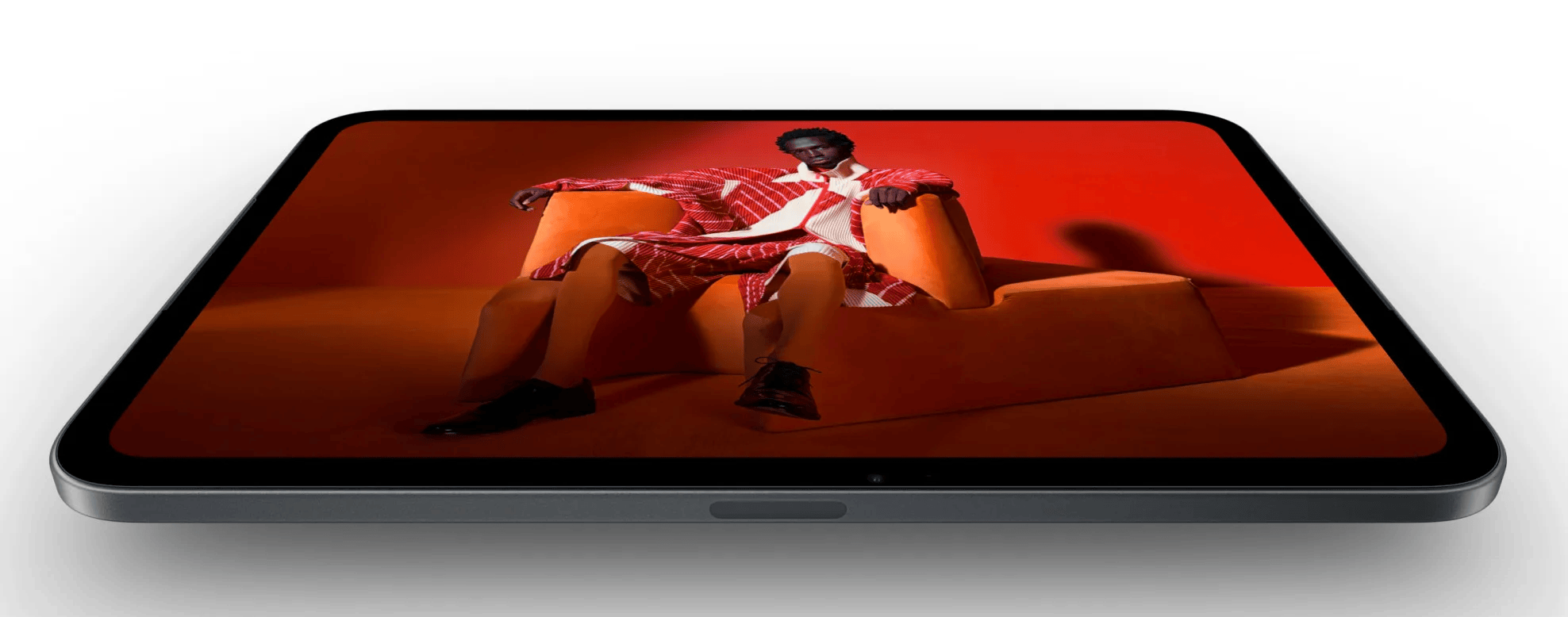
(Image source: Apple)
Beyond the display, the iPad mini 8’s battery configuration is equally disappointing. Likely prioritizing slimness and lightness, Apple actually reduced the battery capacity compared to the previous generation—to just 4,900 mAh—making it the smallest-capacity battery across all iPads released in the past decade. While reduced battery capacity doesn’t automatically equate to worse battery life, Android competitors are rapidly increasing battery capacities in their small tablets—giving them a clear advantage here.
At the same time, the iPad mini 8’s pricing is anything but modest.Further exacerbated by rising memory prices, Apple has taken an increasingly aggressive stance on new-product pricing. The iPad mini 8 starts at ¥5,499 for the 128GB model; upgrading to 256GB bumps the price to ¥6,299.
Recall that even the M-series-powered iPad Pro previously launched around the ¥5,000 price point. This stark comparison inevitably makes the iPad mini 8’s pricing seem unreasonable.
How to Choose an Android Small Tablet? Prioritize Your Needs and Use Cases
The iPad mini series follows a slow update cadence—typically releasing new models every two years or longer. In contrast, Android offers significantly more choice. This year, numerous brands have launched new small tablets across a broad spectrum of price points—from entry-level to flagship. For years, Android small tablets clustered heavily in the budget segment, deliberately avoiding head-to-head competition with the iPad mini series. As a result, they emphasized price advantages over compelling specs or features.